Urasando Terrace
裏参道テラス
- ARCHITECTURE
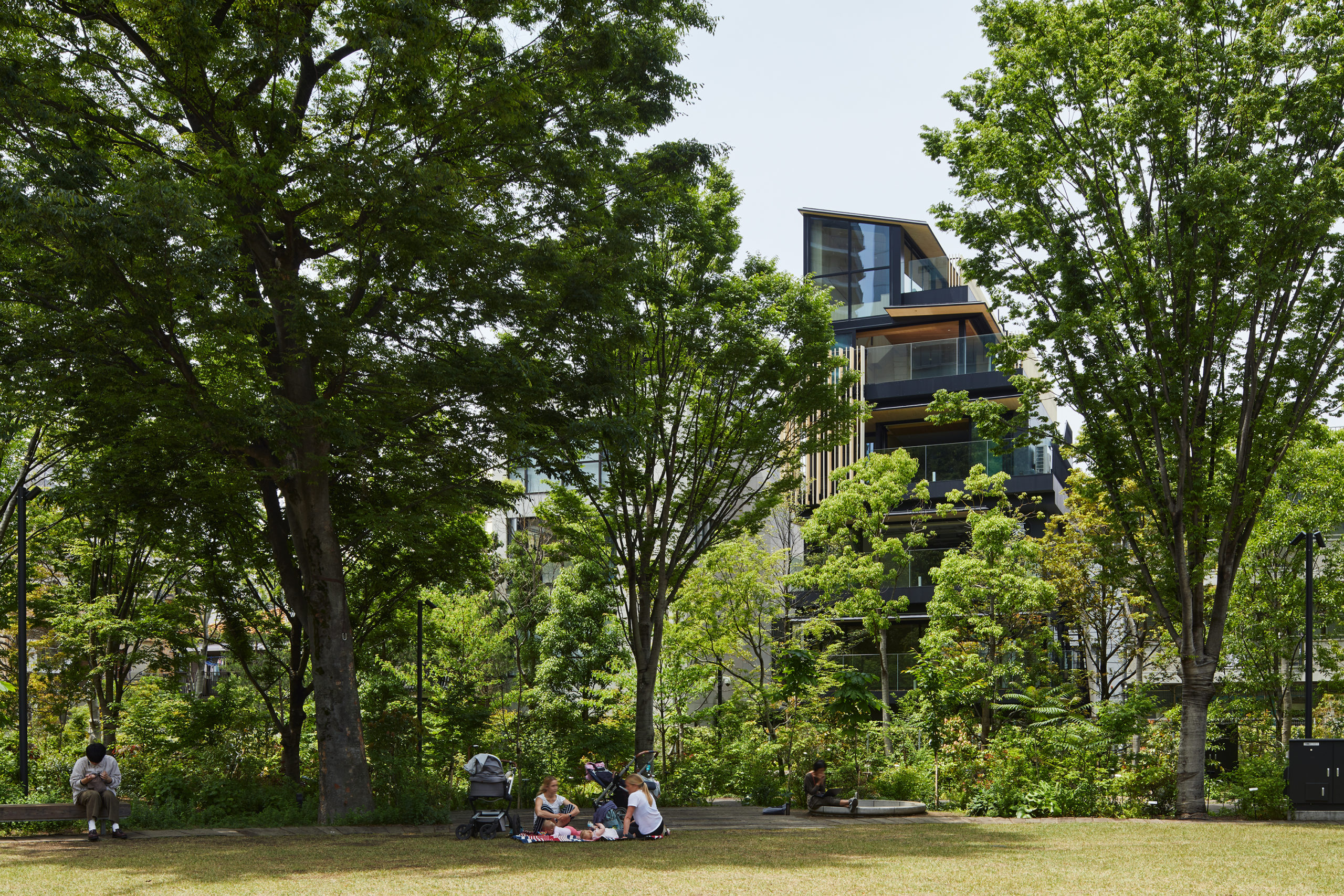
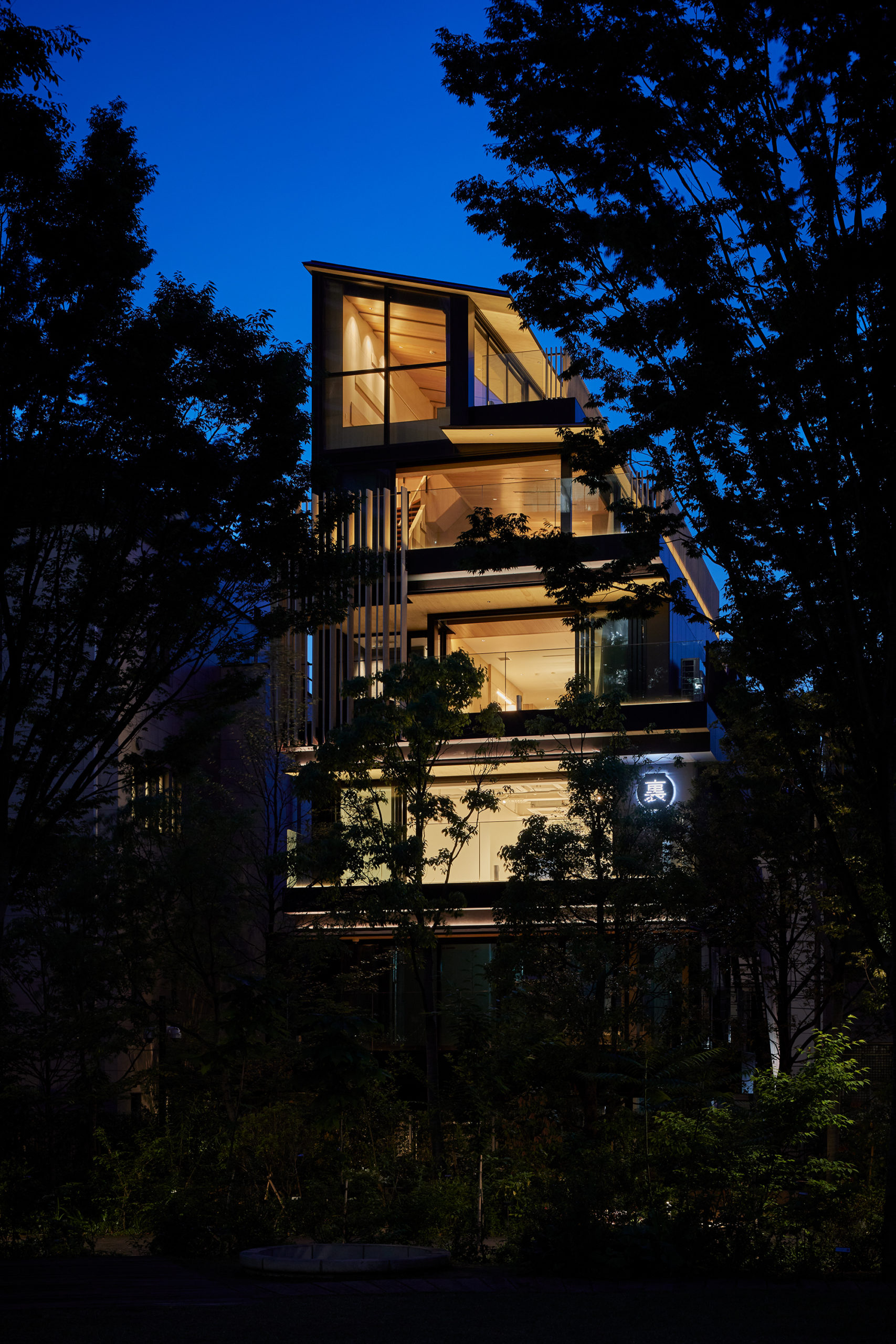
東京・神宮前に建つ6層の建築である。
表参道と青山通りという東京を代表する通りから街区に入り込んでいくと、住むこと商うこと働くことがほどよく融けあった界隈が形成されている。クライアントからは、この街の価値を未来に継承していくような建築のあり方を一緒に考えてほしいという依頼があった。
神宮前という街の価値は色々あると思うが、最も重要視したのは若者がチャレンジできる街ということだった。そのためにたてた問いは、「面白い裏通りをいかにつくることができるか」ということだった。
この辺りは、江戸時代に浅野内匠頭のつくった町割りの影響なのか、行き止まりや一方通行が多く、それが通りの個性をつくっている。
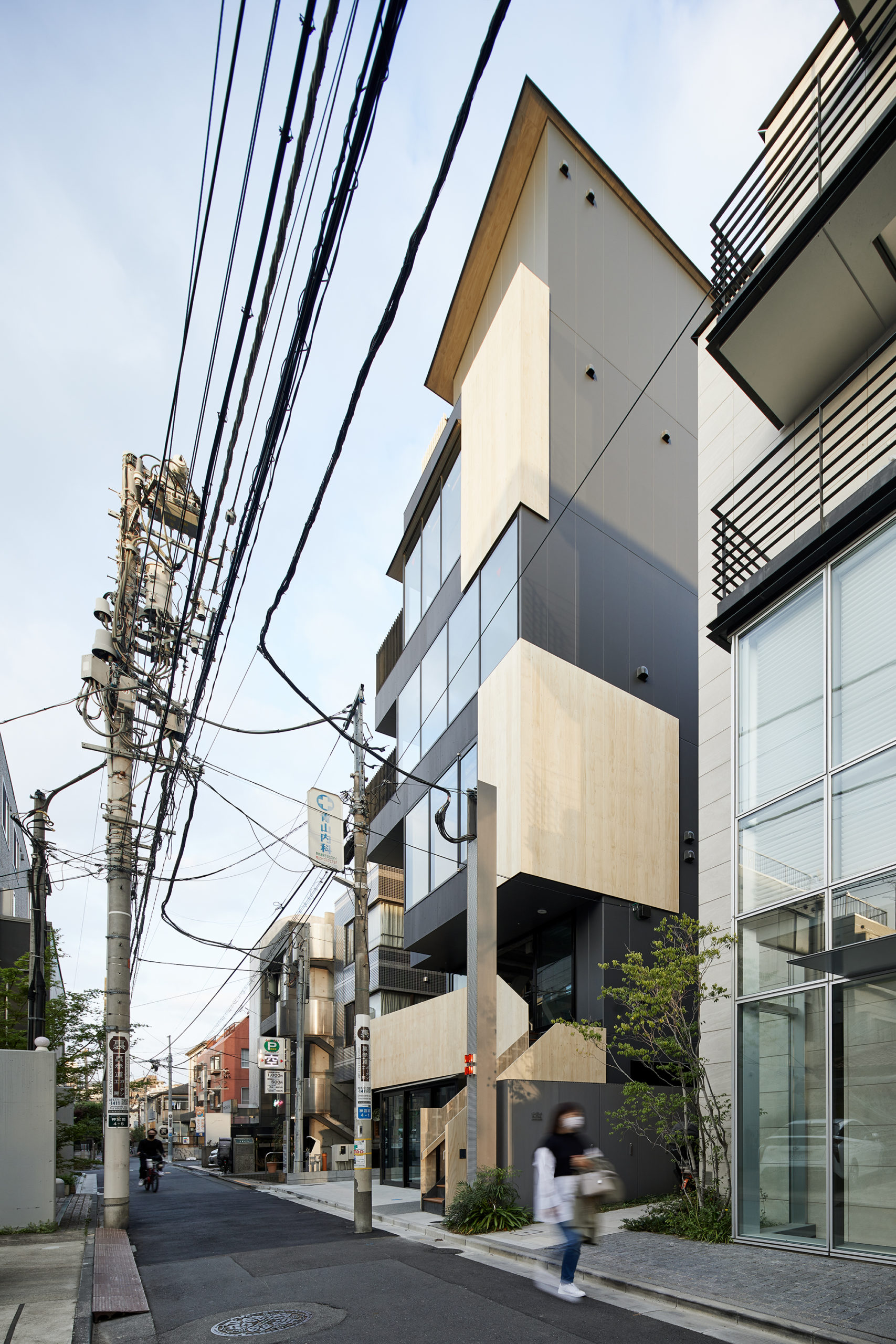
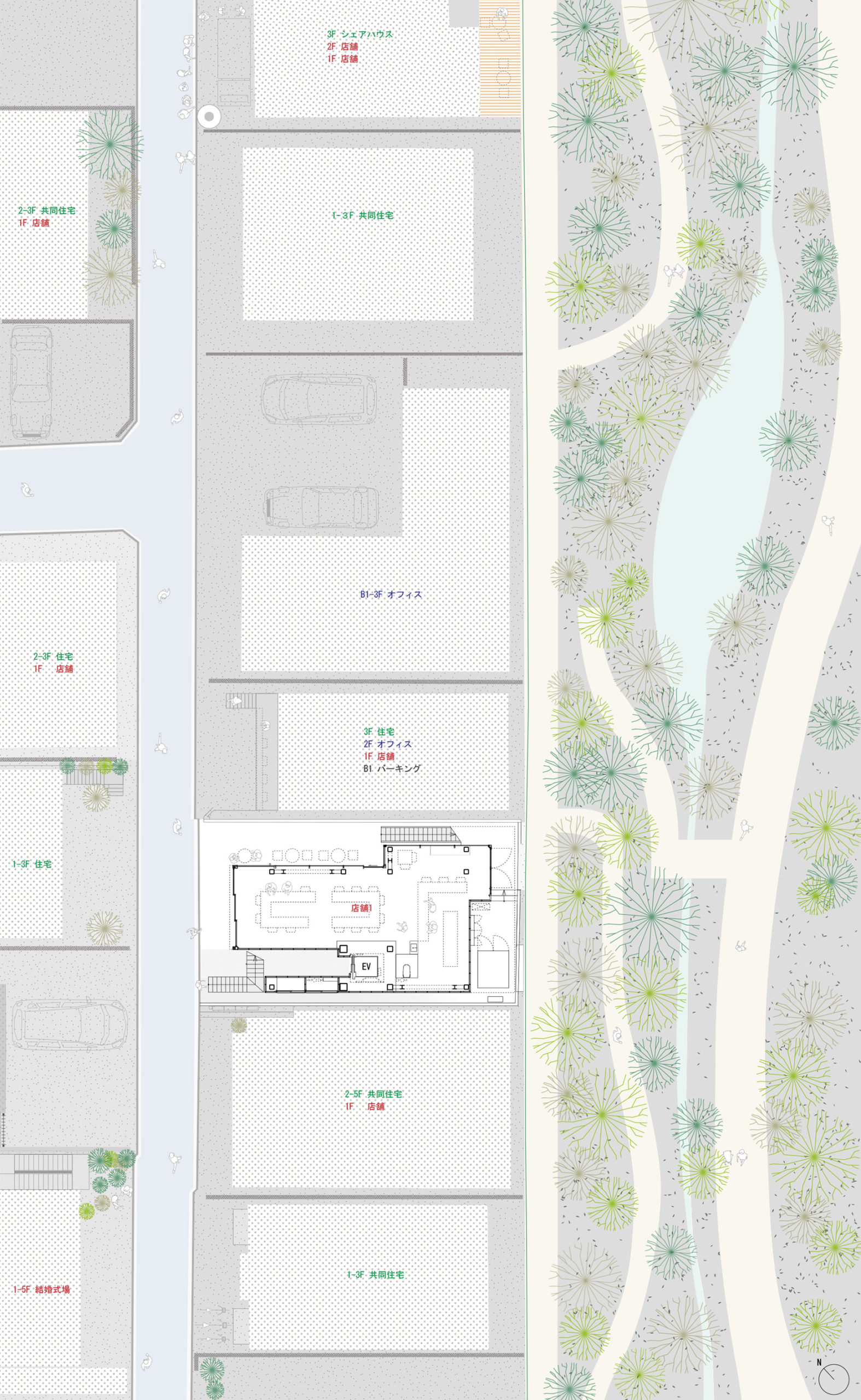
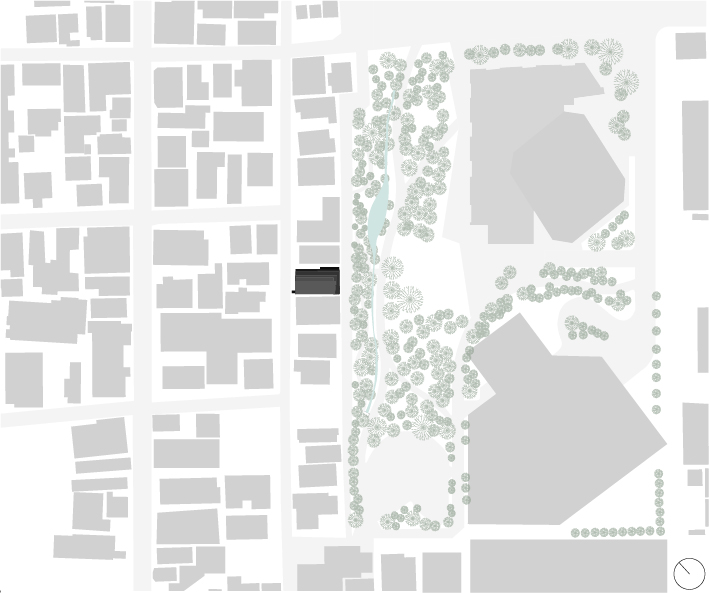
敷地が面する通りは、青山通りと、まい泉通りに平行した道である。陶芸工房、チーズ工房、緑茶カフェ、ギャラリーなどいくつか個性的な店舗があるものの、街歩きをしていて、線としての繋がりを感じるまでには成熟していない。
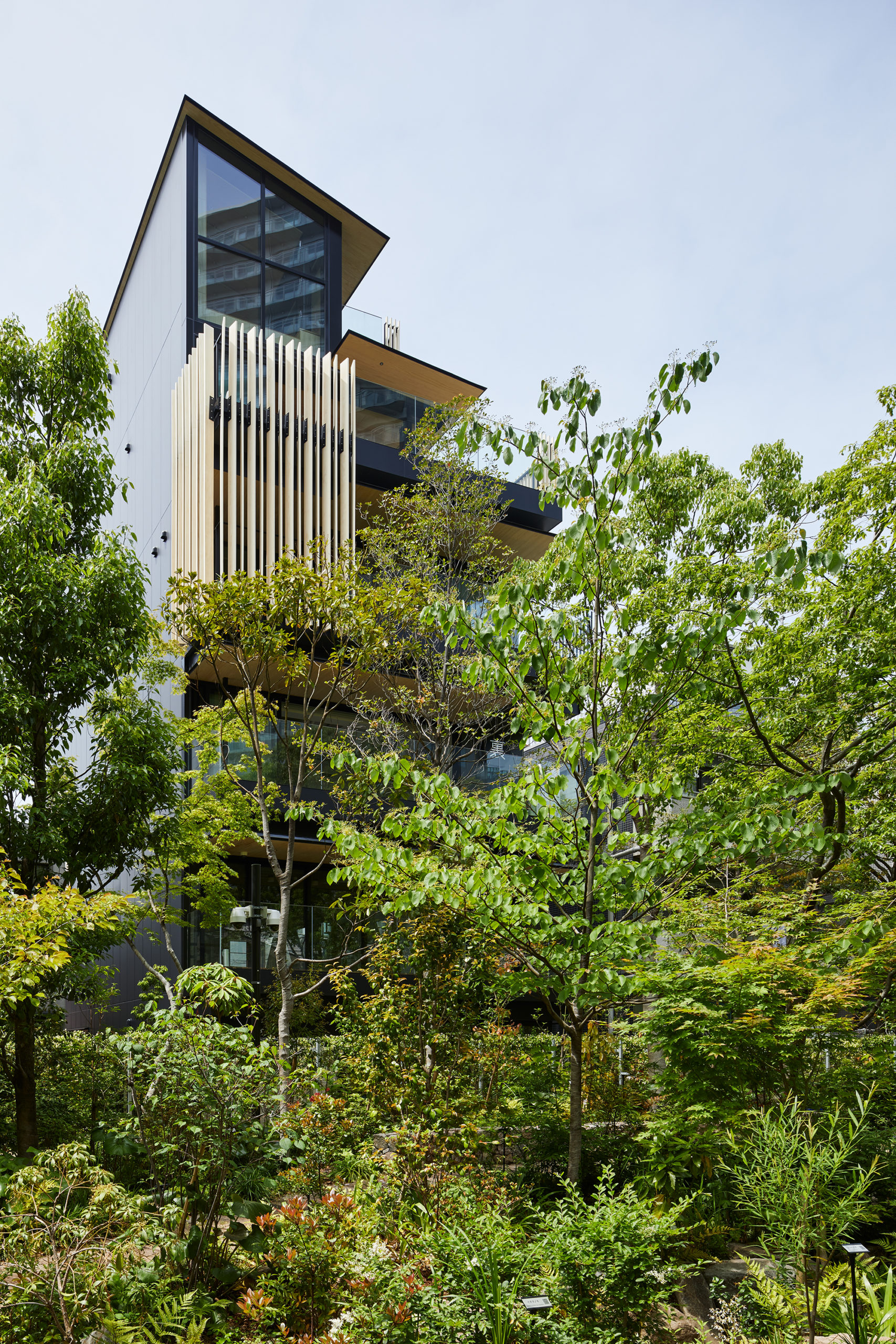
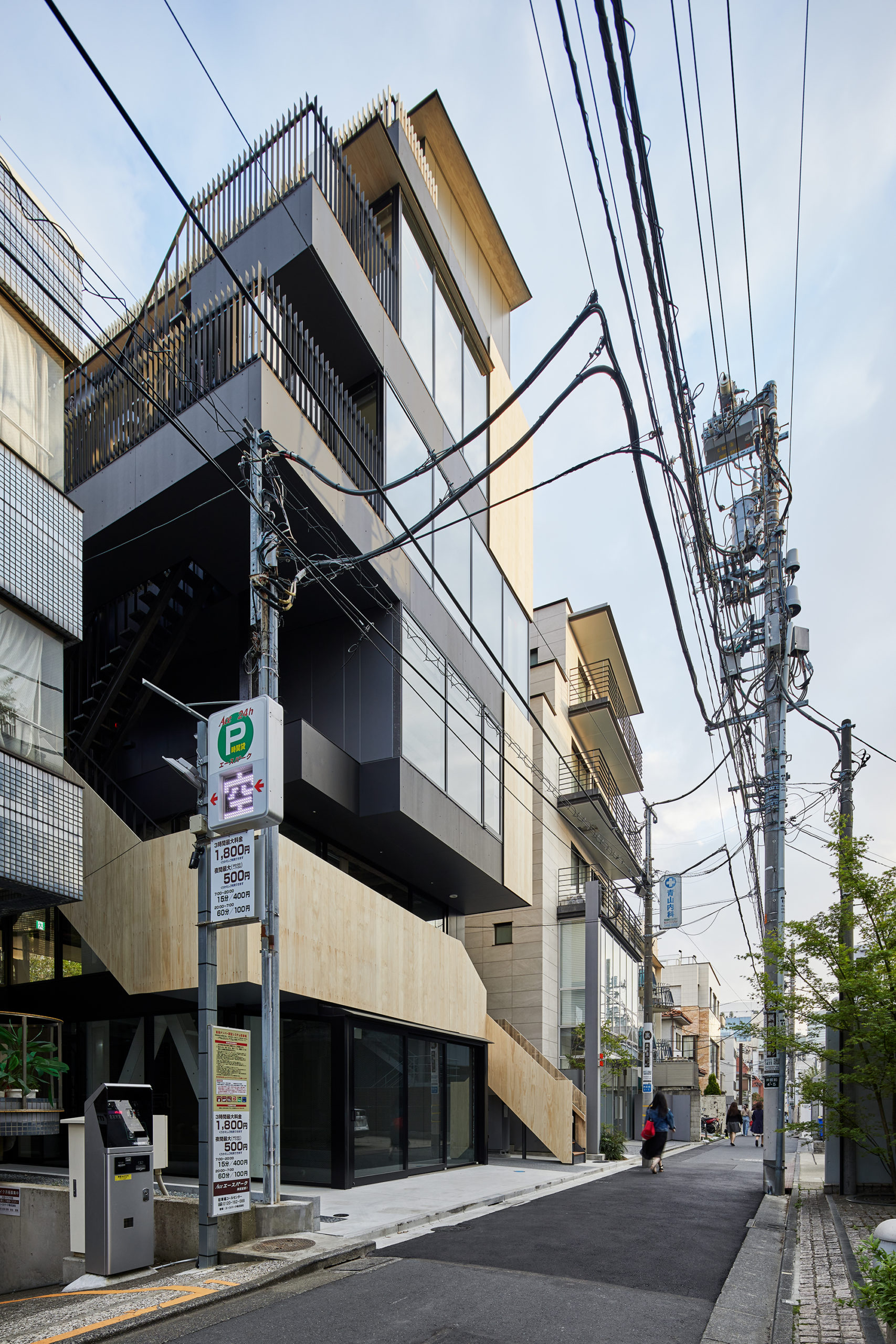
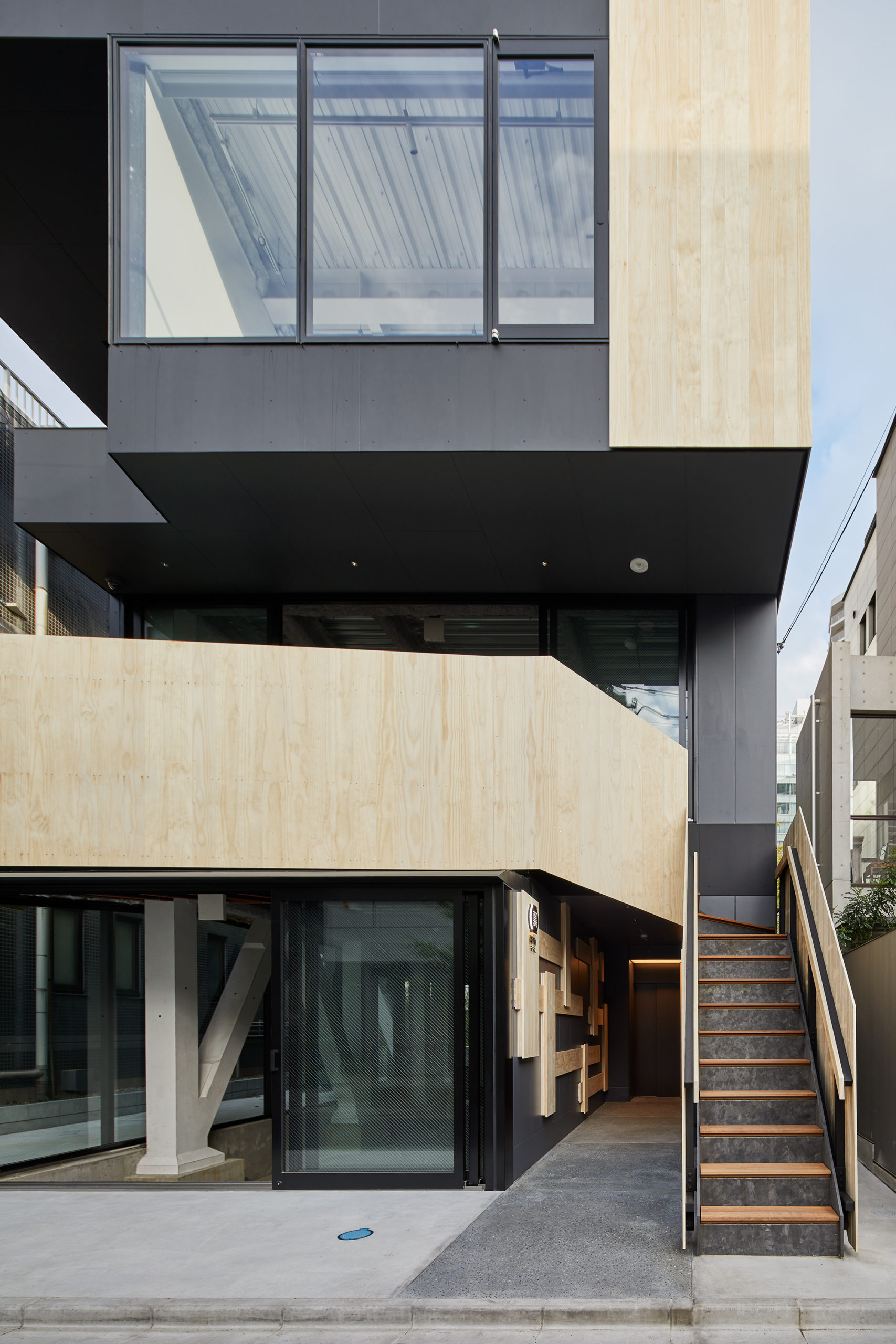
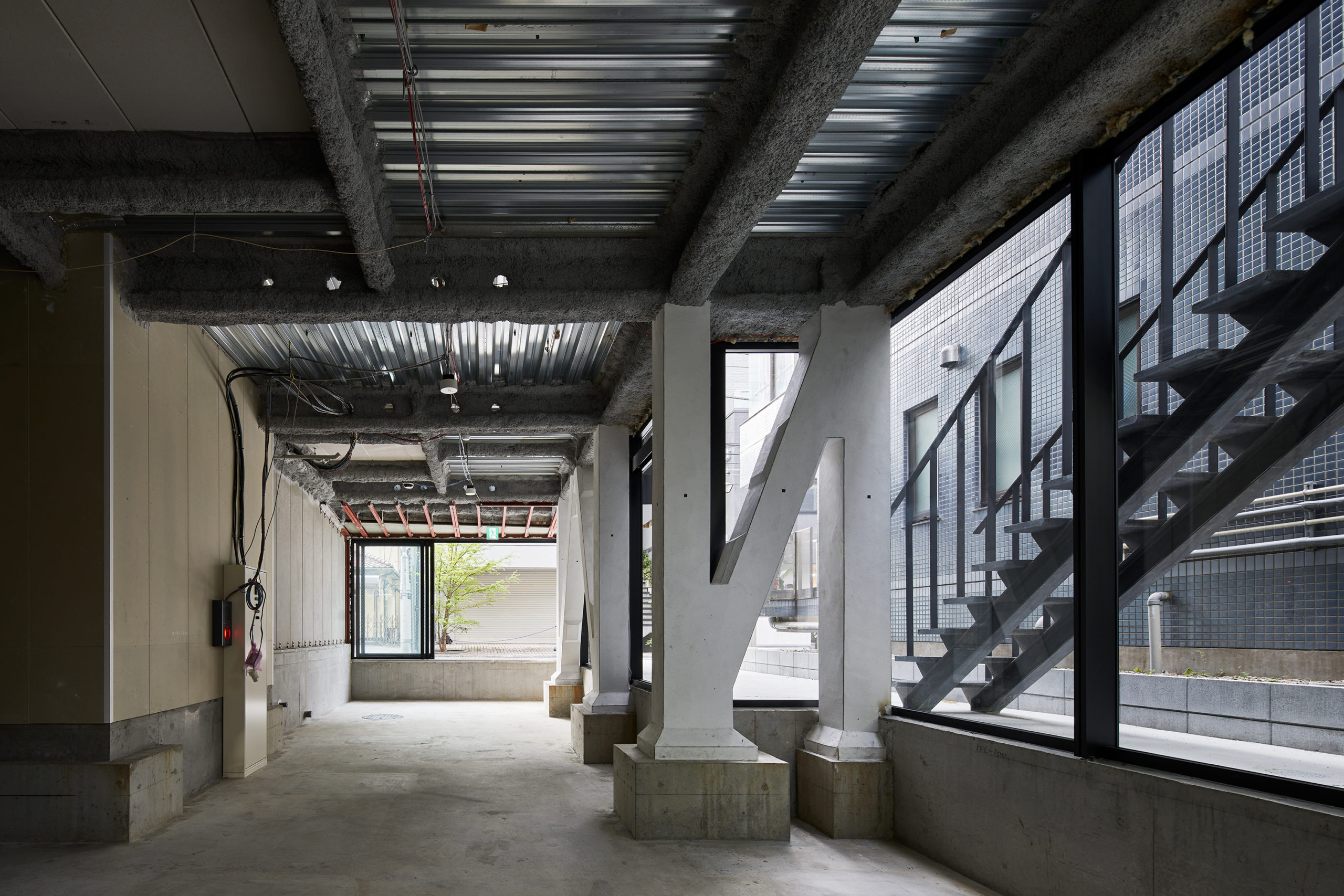
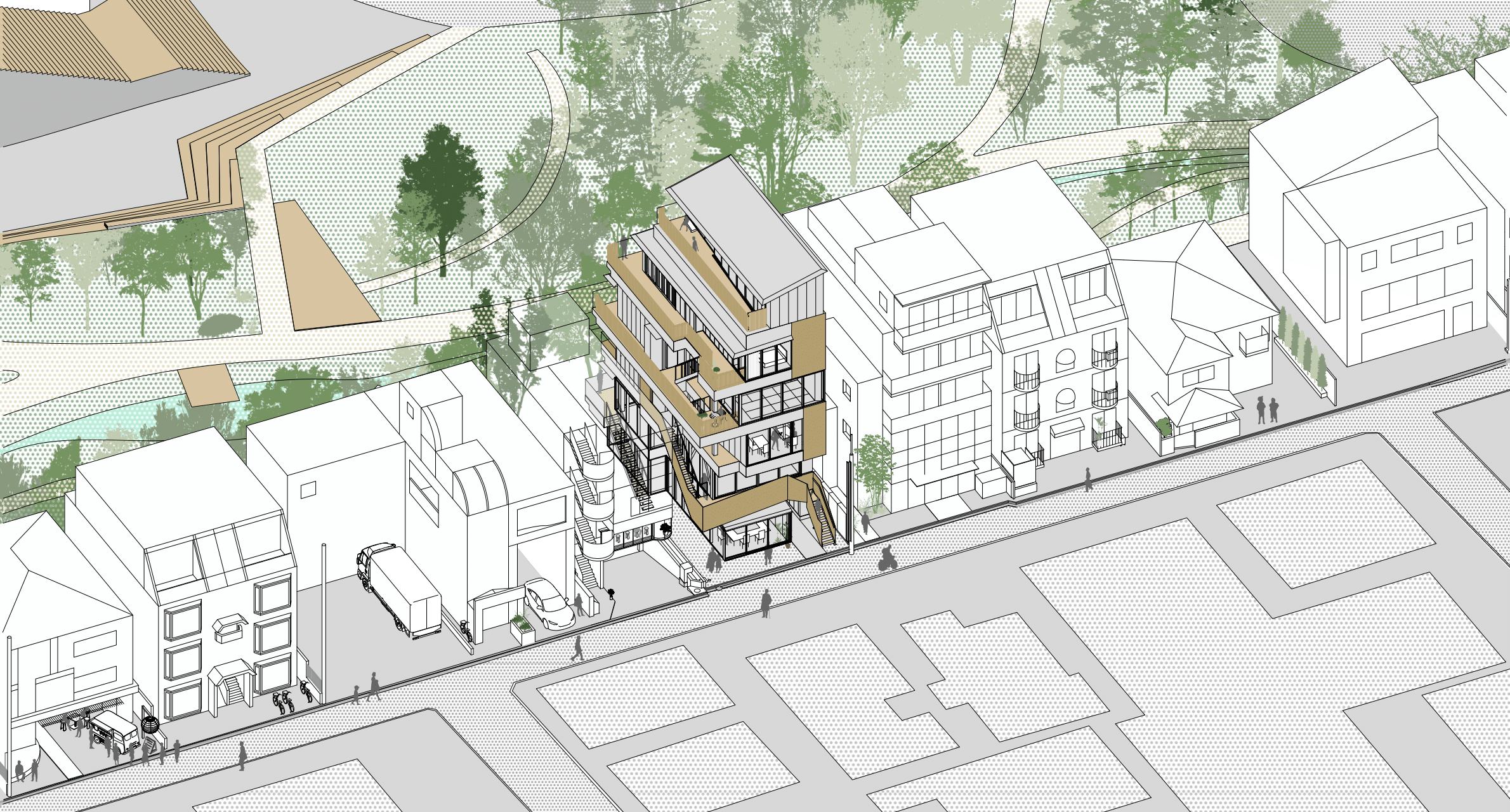
通りとしての空間の流れをつくりながら、路が立面に味わい深く現れてくることを意識し、通りが立体的に巻きあがっていくような建築を考えた。
この地域で不動産事業を営むクライアントの肌感覚としては、地価の上昇によって、個性的な店舗が年々減少していく傾向を危機感として持っていた。ジェネリック(無印的)な空間ストック形成の考え方では、街並みの言語はつくれないし、この街の財産である多様性が失われていく。そこで立ち上がってきたのは、「リーシング・空間運用での創造性と、建築デザインの創造性をいかに一体で考えるか」ということである。
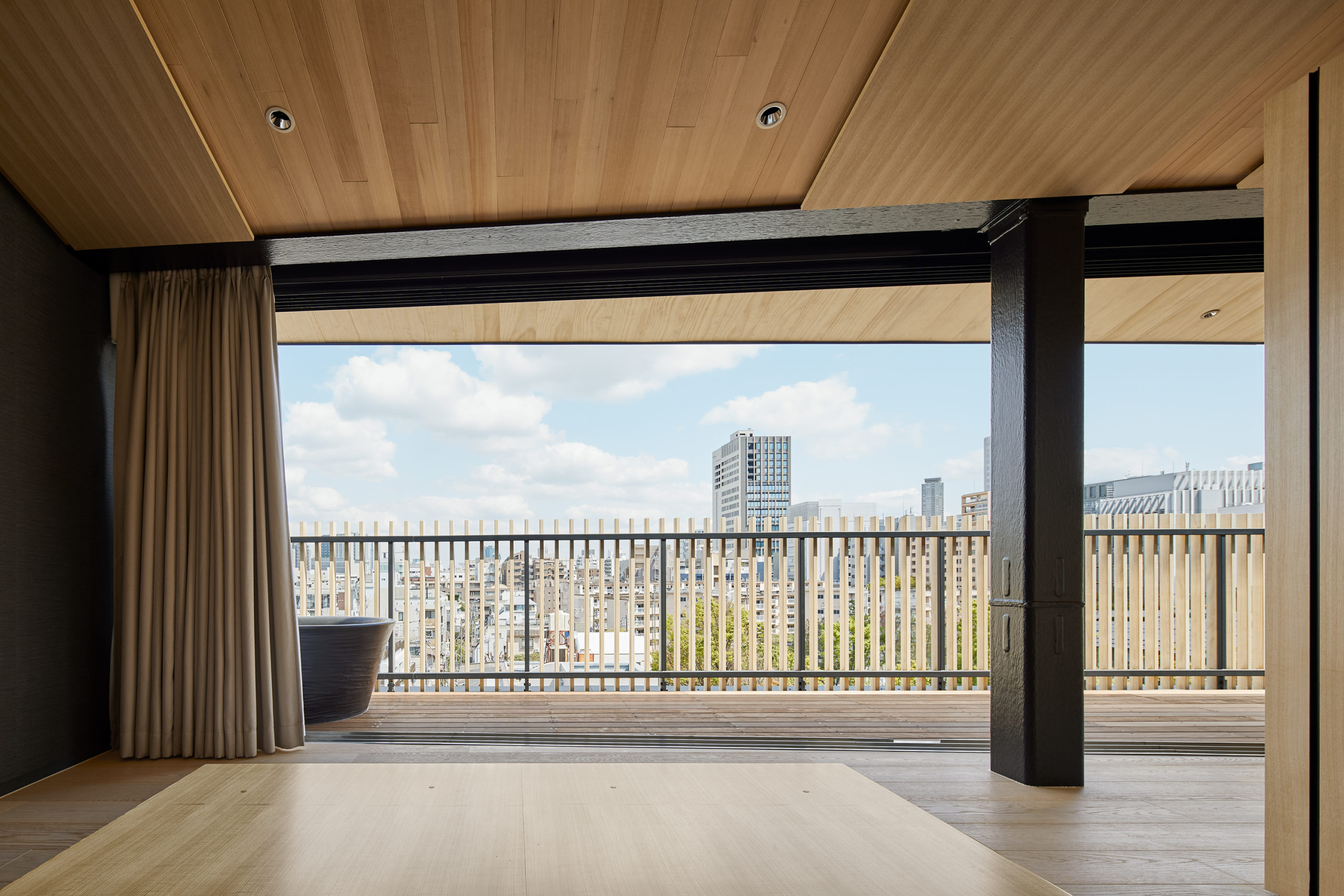
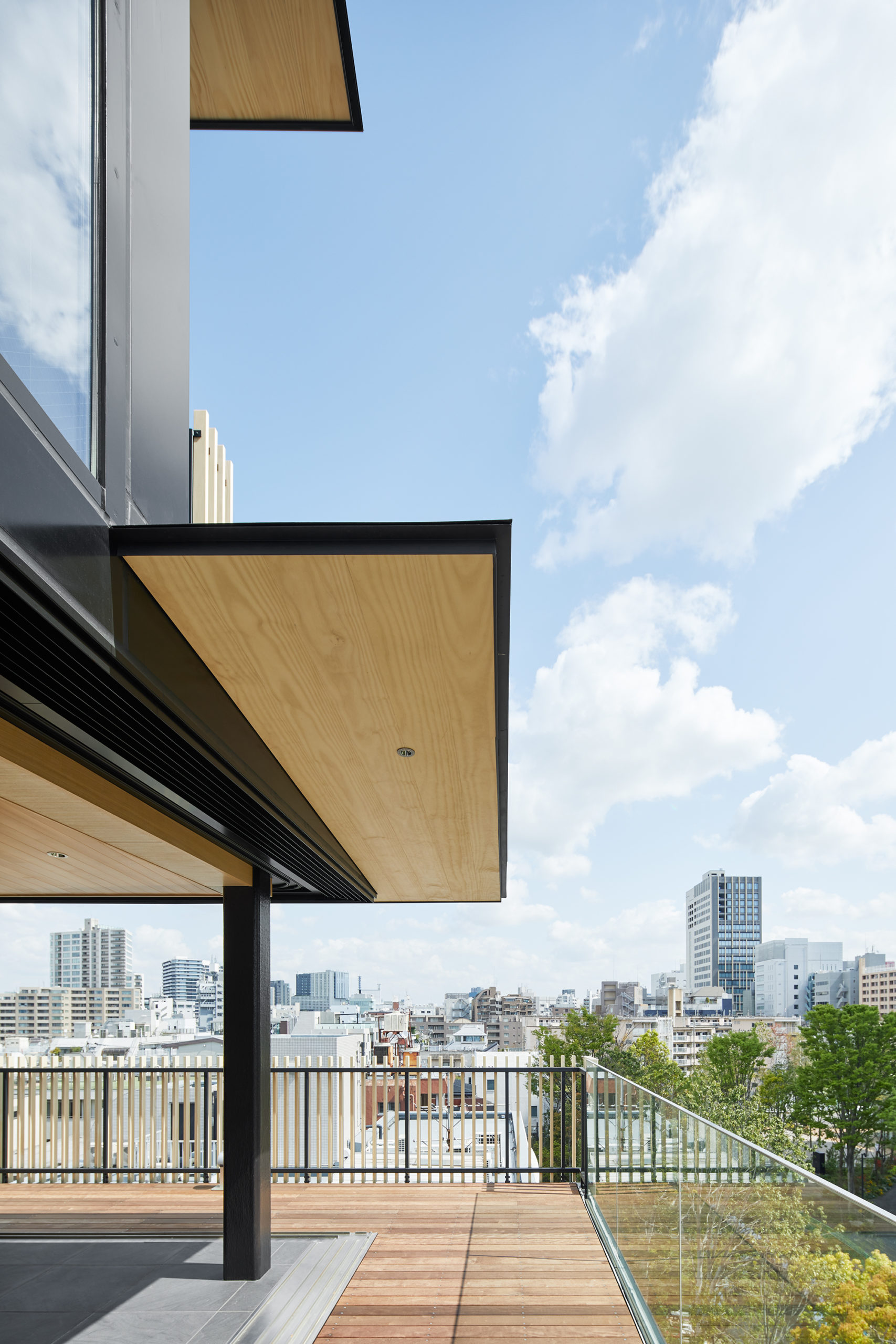
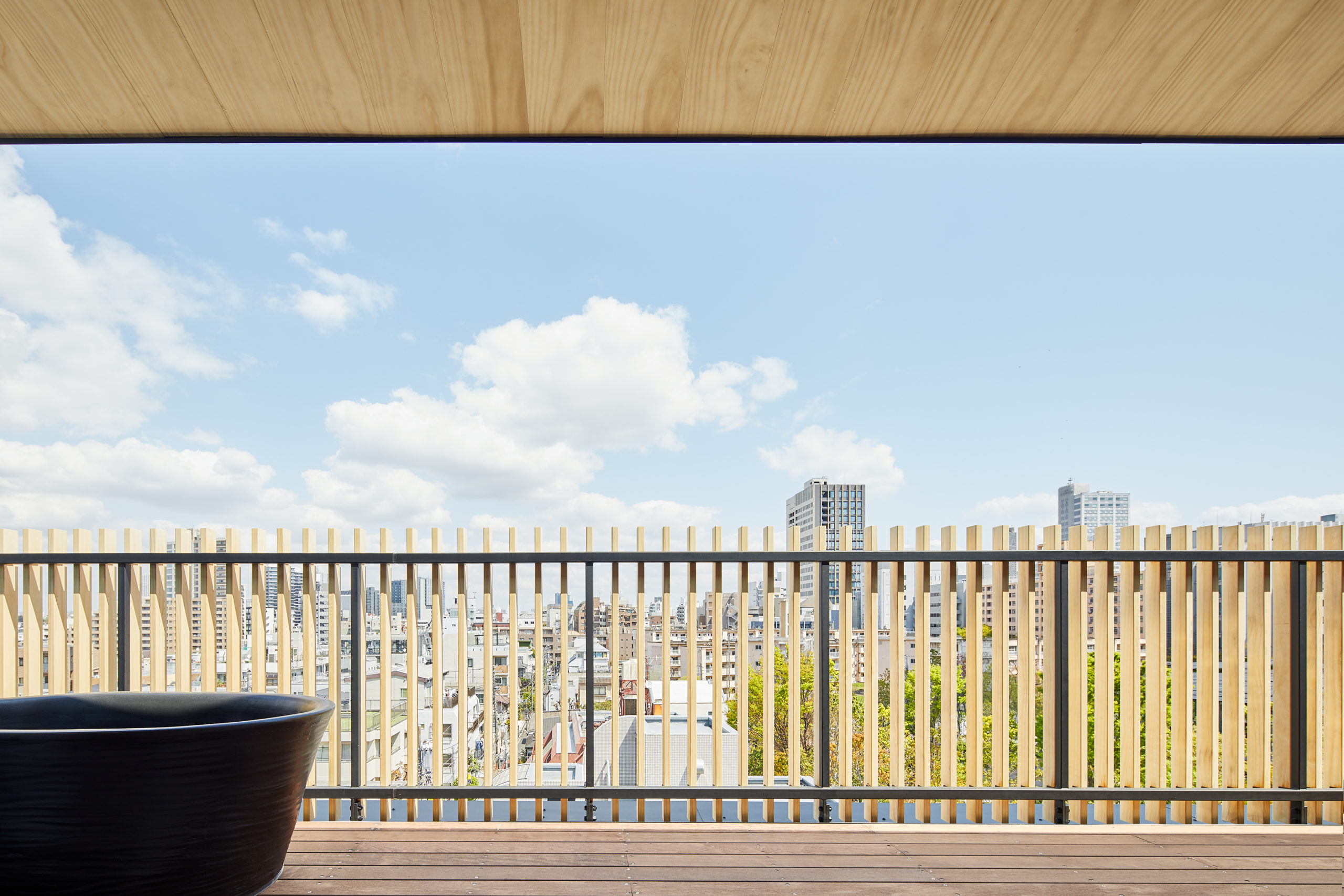
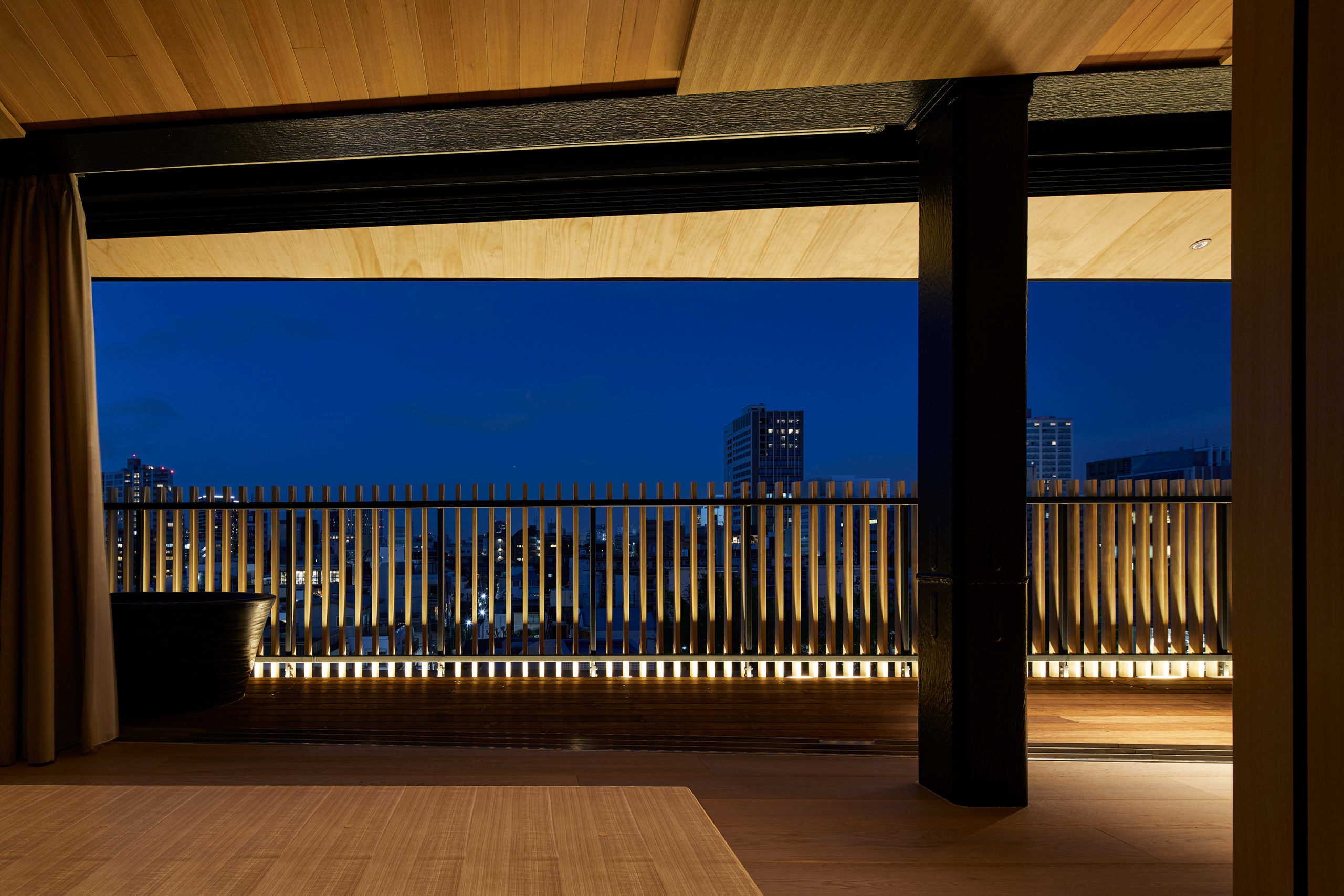
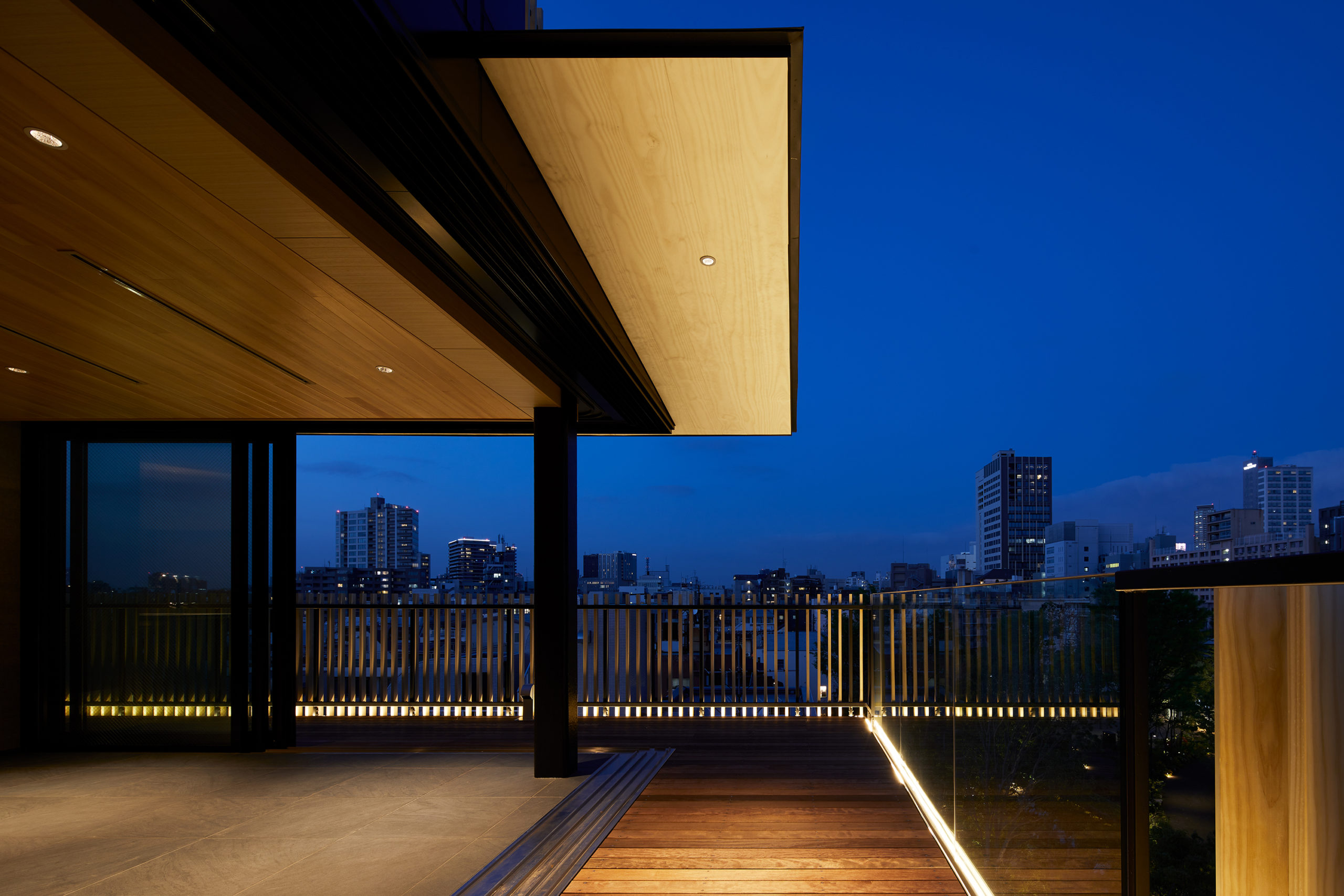
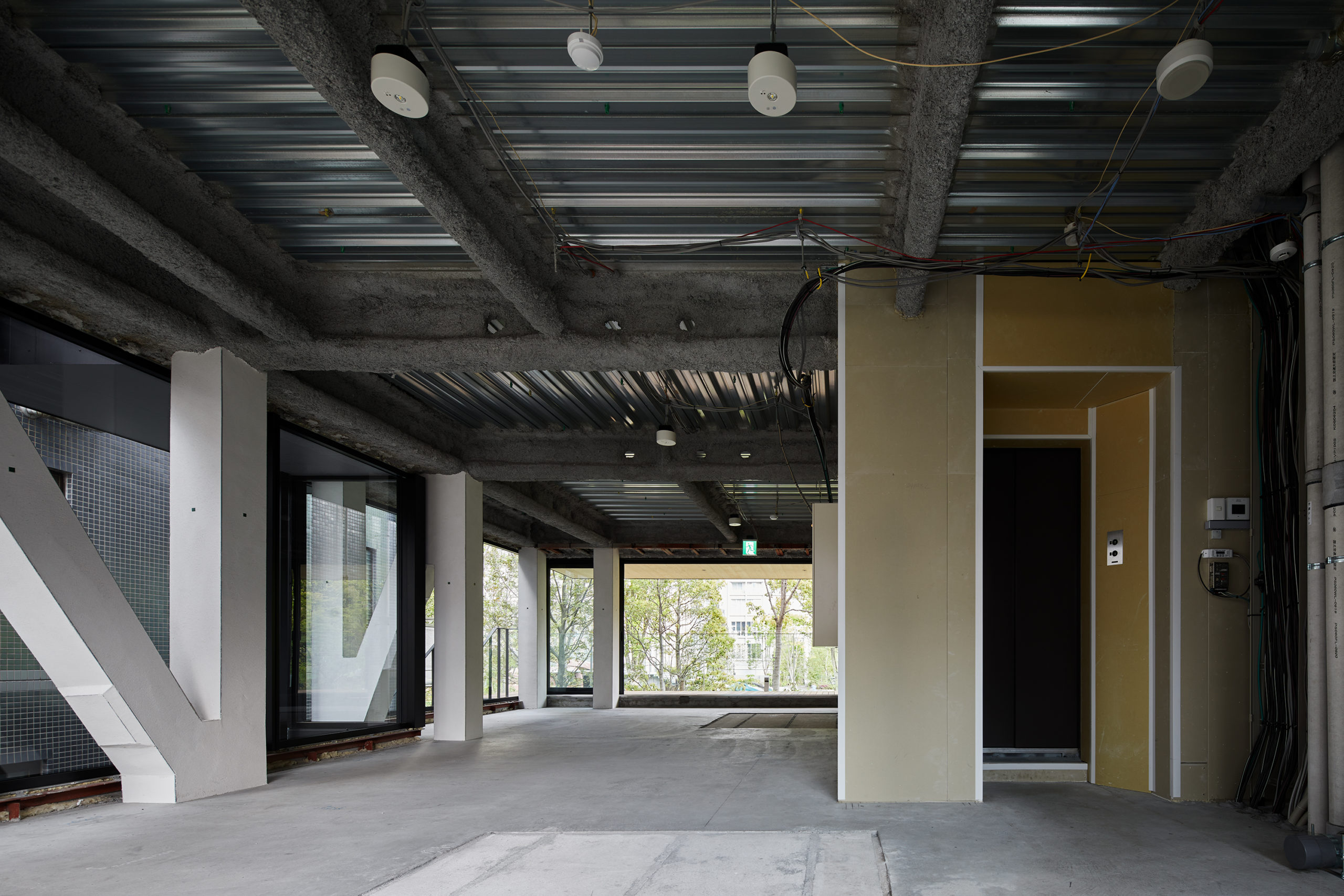
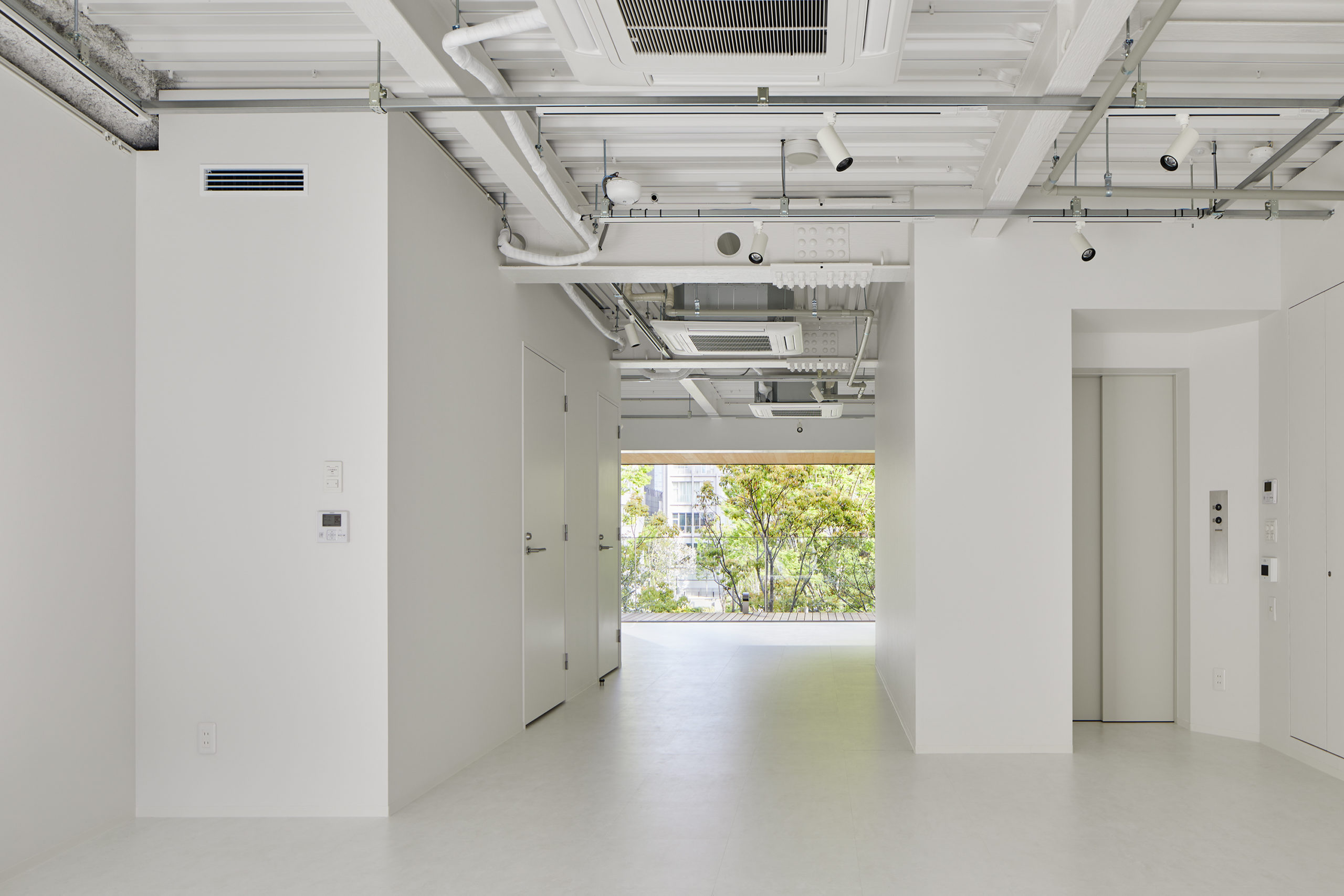
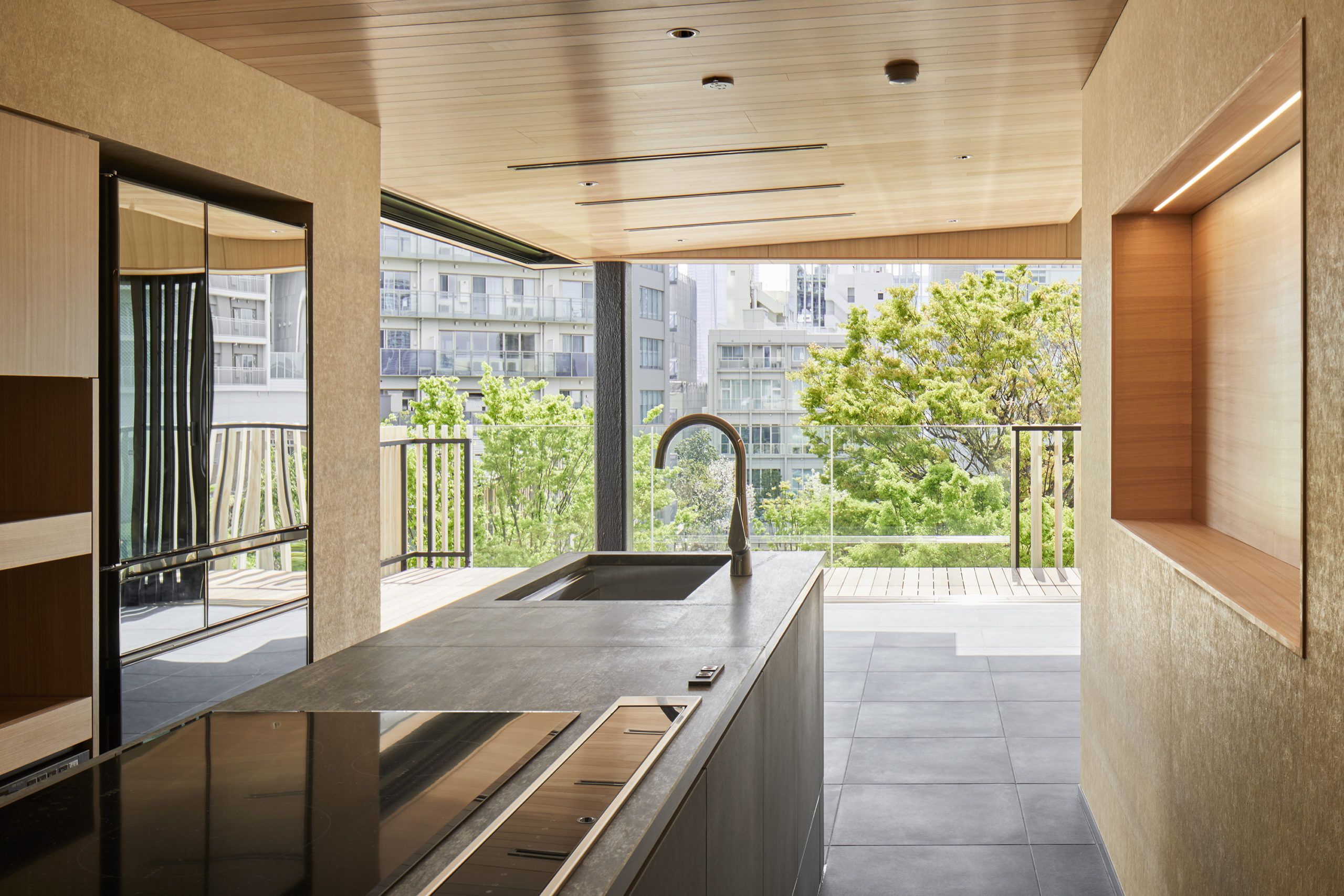
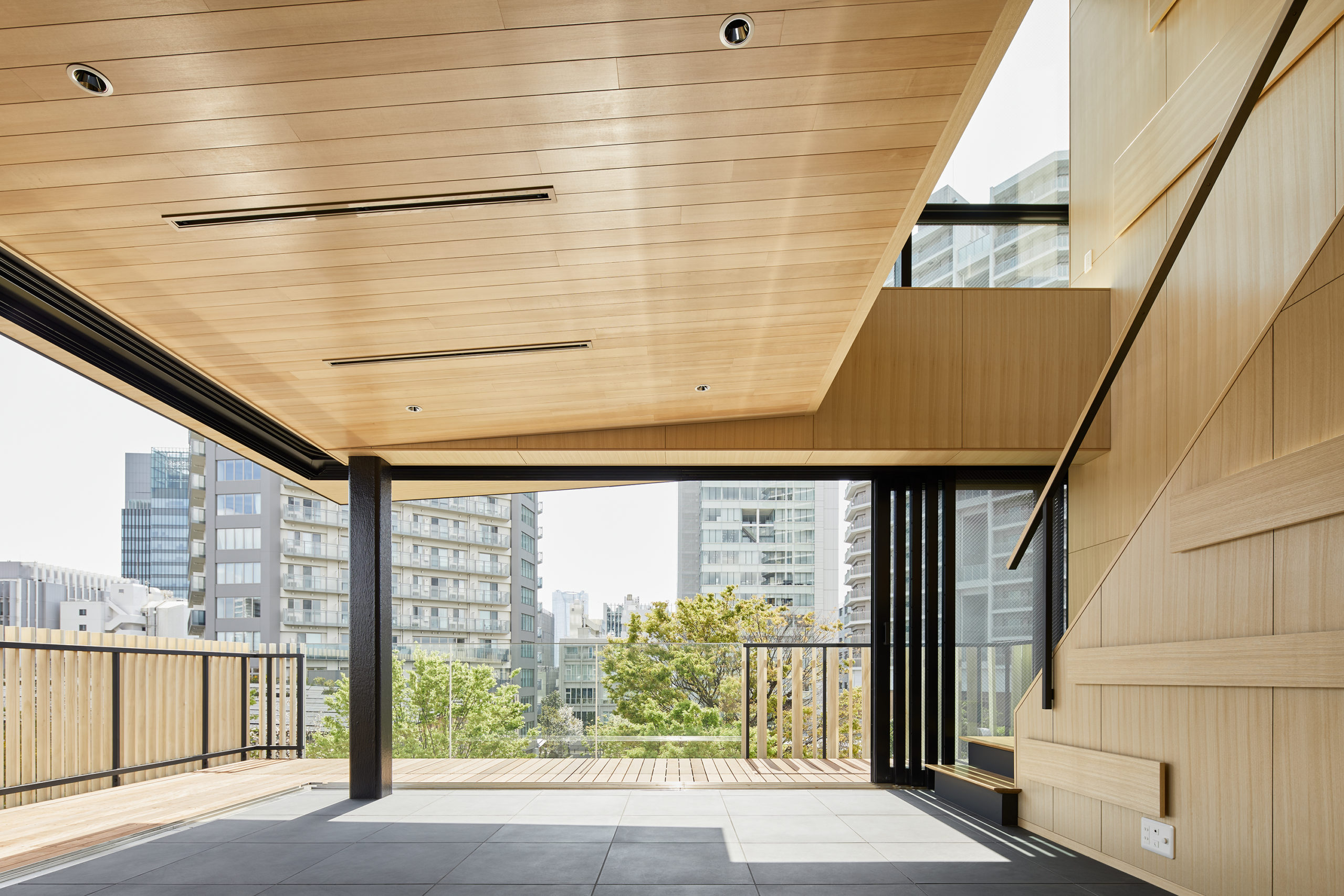
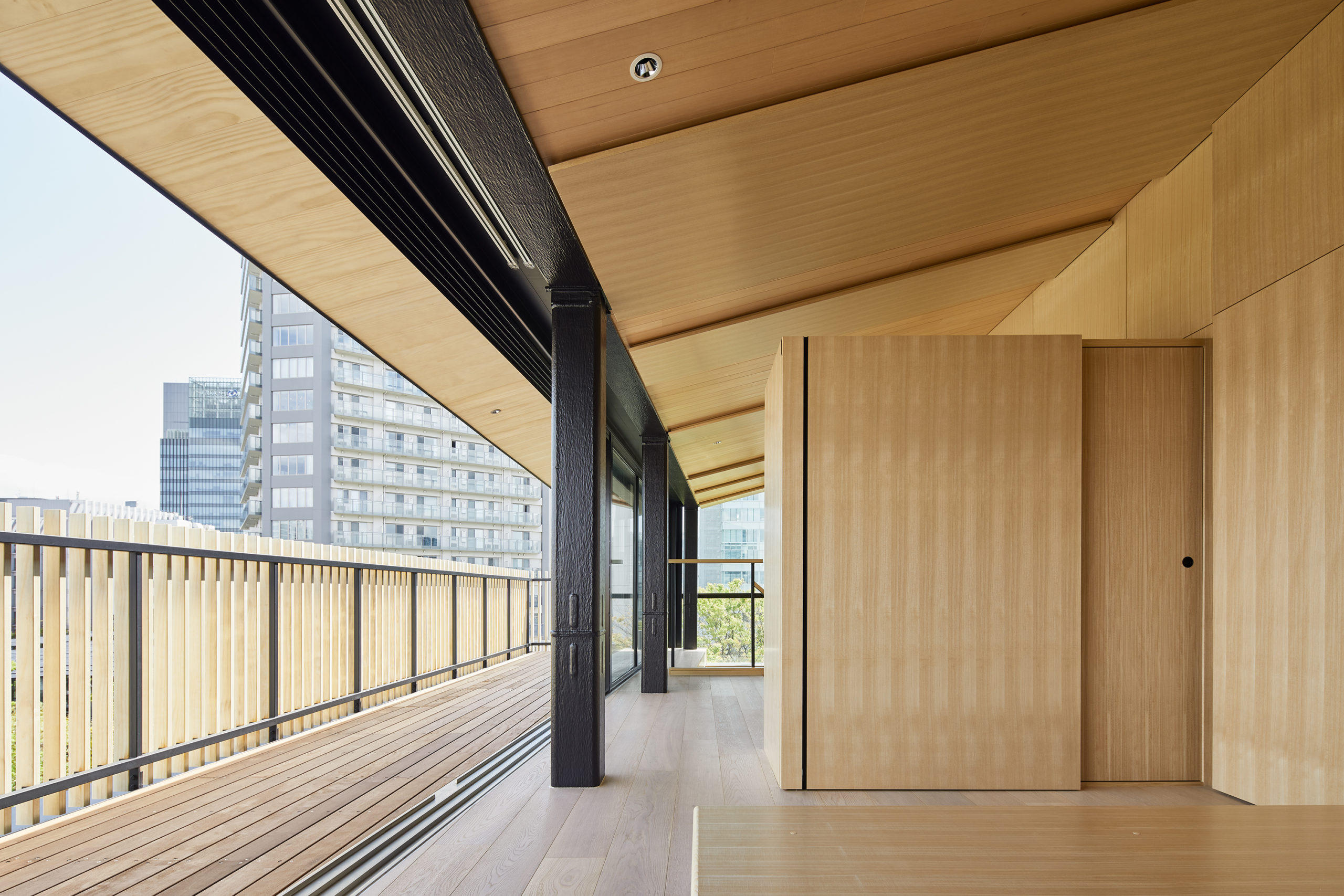
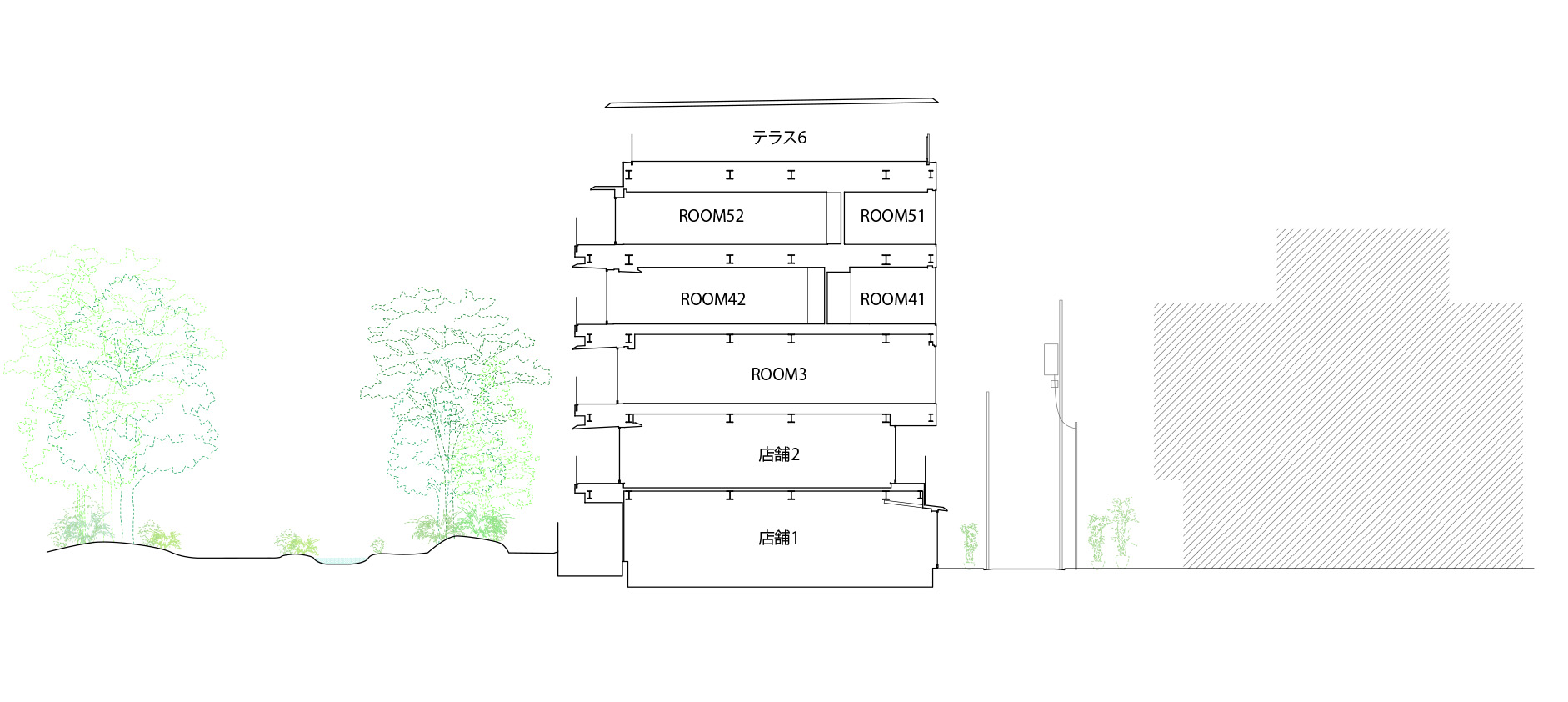
今回の共通言語となったのは、テラスである。隣地の開発で生まれる大規模緑地に面して、取り得る最大の大きさのテラスを各階に確保した。この奥行のしっかりある豊かなテラスがあることで、住まうこと商うこと働くことのいずれに対してもリーシングの武器となる。
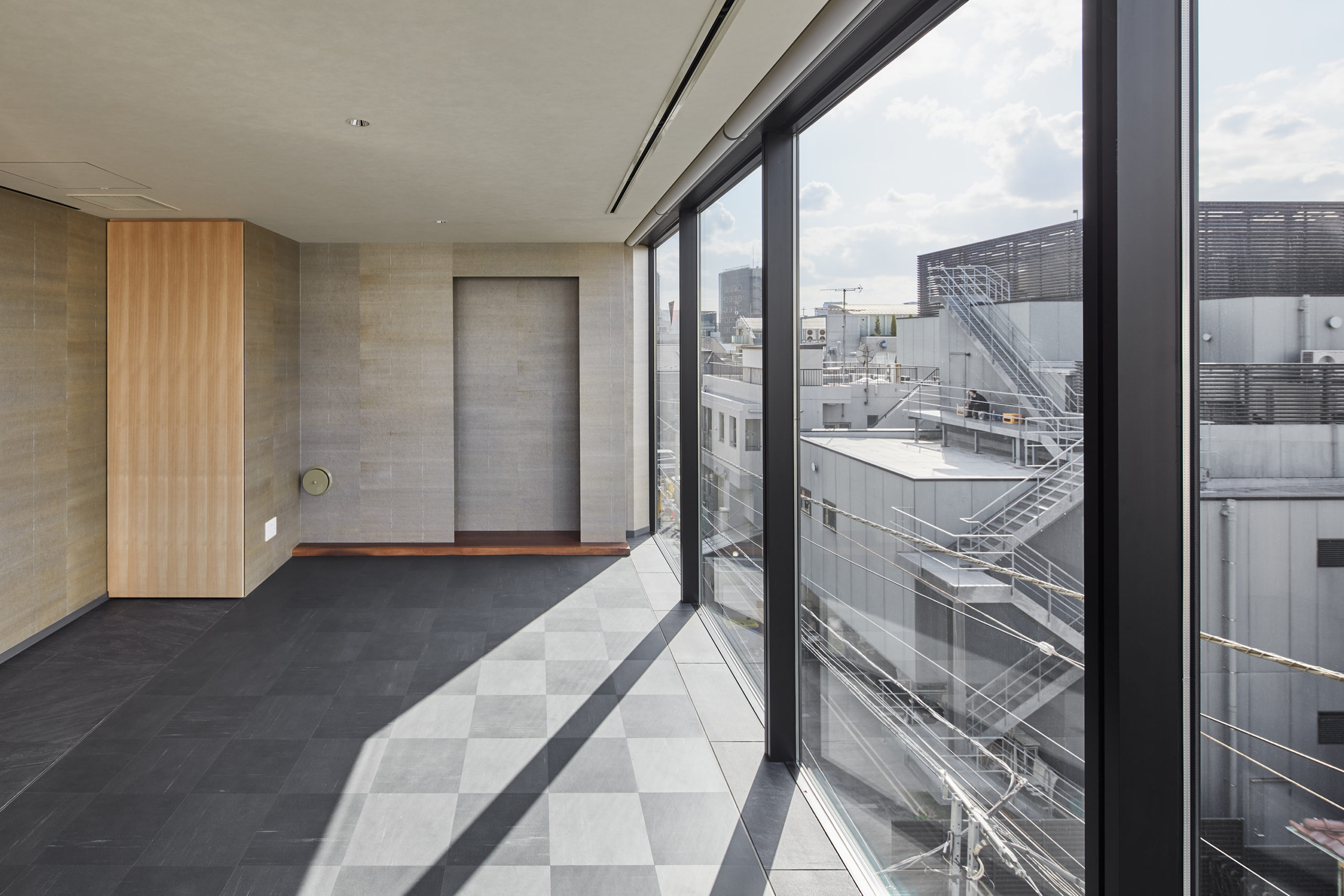
また、テラス形状を工夫し、地上階から連なる立体路地と繋ぐことで、テラスと立体路地の計画=建築の空間構成=避難・セキュリティ・リーシングの計画となるように、建築の原理そのものを純化した。容積を最大限活用しつつ空間的な快適性を維持するために斜線制限の厳しい最上階の2層はメゾネットとしている。
昨今、民間開発の活用によって都市計画を動かしていくタクティカルアーバニズムの試みが増えてきている。本計画の隣地の「ののあおやま」もまさにその代表例と言えるプロジェクトであろう。江戸期に形成された何百という大名庭園は、東京という都市にとって最大の景観的資産であり、その歴史を再生するという信頼できるアクションに対して、本計画は、連歌のような関係性、庭園と路地を繋ぐ接続詞としての建築であることを意識した。
都市計画を意識する民間の個々のプロジェクトが、敷地を越えて一体での都市の理念をいかにつくり得るかを試みているのかもしれない。
個のアクションが連鎖していく、非常に重要な建築と都市と地域経済の試行である。
A six story mixed use building, in Jingumae, Tokyo
As you enter the block from Omote-sando and Aoyama-dori, two of Tokyo’s most infamous streets, you will come across a neighborhood where living, business and work and well-integrated. The client asked us to help them realize an architecture that would preserve the value of this neighborhood for the future. The site is on a narrow backstreet, squeezed between Aoyama-dori and Maisen-dori. There are a number of unique stores scattered along the street, but it is not yet mature enough to feel a sense of linear connection as you stroll through the town. While considering a tasteful elevation that would express the street-like spatial flow, we came up with an architecture in which the street could curl up in 3 dimensions. The common language for this project then became the terrace. Facing the large green space created by the neighboring development, we secured the largest terrace possible on each floor. The terrace then becomes a spatial asset enriching the experience of leased space, whether it be for living, working or tenant programs. By integrating the terrace with the three-dimensional alleyway that continues from the ground floor, the architectural principle also benefits the emergency evacuation, security, and leasing plan. Recently, there have been increasing attempts at tactical urbanism, using private development to move urban planning forward. The “Nono Aoyama” project, located next to this project, is a perfect example of this. The hundreds of feudal lord gardens that were created during the Edo period are among the greatest scenic assets for the city of Tokyo, and while this project is a reliable action to regenerate that history, we were more conscious of the historic relationship between the gardens and the alleyway, and an architecture that connects them like renga poetry.
It may be that projects of this scale, private projects actively conscious of urban planning actions, are trying to create a unified urban philosophy that transcends the site. This is a very important experiment in architecture, cities, and the local economy, an attempt to link disparate individual actions together.






設計|小金丸信光*、岩井一也*、 堀江優太*
監理|岩井一也*、中村駿太、荒野颯飛、大屋康幸(*元スタッフ)
所在地|東京都渋谷区
構造|鉄骨造
規模|地上6階
敷地面積|173.28㎡
建築面積|103.00㎡
延べ床面積|451.45㎡
設計期間|2017年12月〜2019年4月
施工期間|2019年5月〜2021年3月
掲載誌
新建築 2021年8月号
写真クレジット
© Nac á sa & Partners Inc. FUTA Moriishi、FUJIWALABO、ののあおやま(詳細は各写真拡大画面に記載)